Corridor Carpet Wear in Buildings: Causes and Prevention
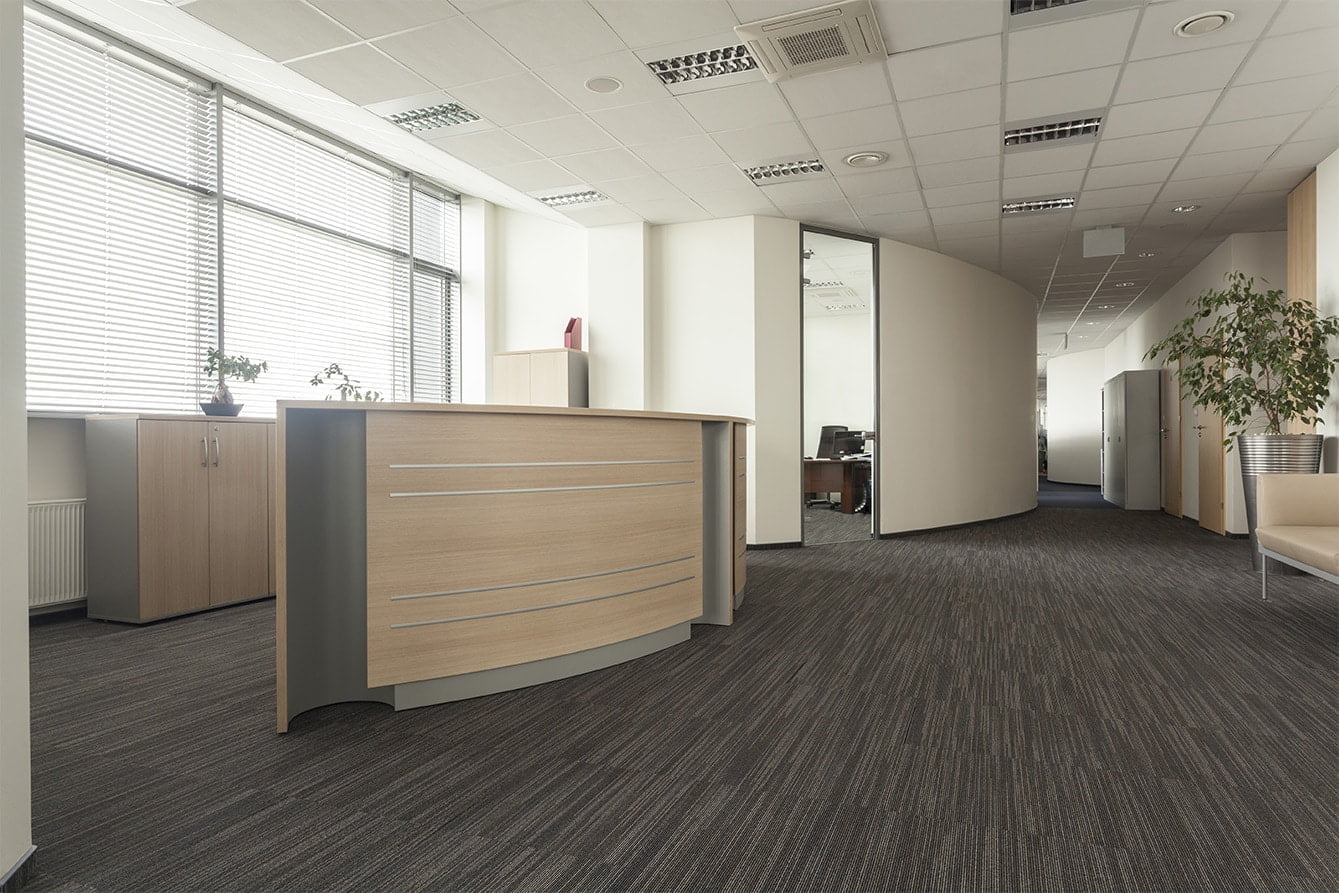
Corridor carpet wear is a common issue in residential buildings, condominiums, and commercial properties where daily foot traffic is high.
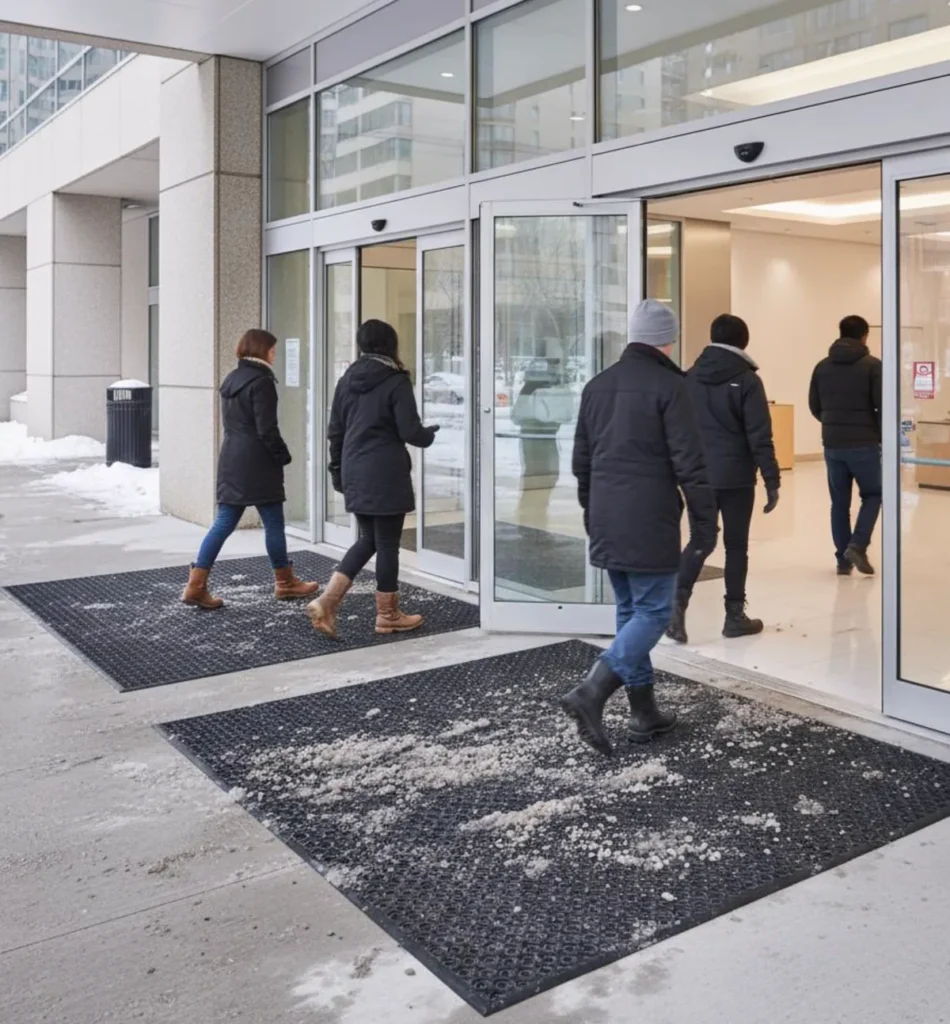
In buildings across Montreal and the South Shore, carpets installed in corridors, lobbies, and common areas are constantly exposed to particles brought in from outside.
Every day, residents, visitors, and delivery personnel carry sand, dust, salt, and mineral particles into the building.
Over time, these particles accumulate deep in the carpet fibers and accelerate wear — even when the carpet appears clean on the surface. When these particles remain trapped in textile surfaces, they can also affect indoor air quality in buildings.
Understanding the causes of corridor carpet wear in buildings helps property managers and condominium boards better protect their investments and extend the life of their carpets.
In many buildings, corridor carpets begin to show premature wear when they are exposed to heavy traffic without proper preventive maintenance.
In many cases, corridor carpet wear becomes visible much earlier than expected due to constant daily traffic
Causes and Prevention
Microparticles: The Main Cause of Corridor Carpet Wear
Many people assume that carpets wear out simply because people walk on them.
In reality, microparticles trapped inside the carpet fibers are one of the main causes of premature wear.
These particles settle at the base of the carpet pile and rub against the fibers with every step.
In high-traffic environments such as condominiums, apartment buildings, hotels, and office buildings, this constant friction can significantly accelerate carpet deterioration.
Where Do These Particles Come From?
Most of these particles are brought inside from outdoor areas and entrance zones.
Common examples include:
- sand
• fine dust
• mineral residues (concrete, calcium, etc.)
• winter de-icing salt
• dirt carried in on shoes
In cities like Montreal, where winter conditions introduce salt and abrasive materials into buildings, carpets are particularly exposed to accelerated wear.
These abrasive particles are one of the primary factors contributing to corridor carpet wear in buildings.
Why These Particles Act Like an Abrasive
When these particles settle deep within the carpet, they act like sandpaper inside the fibers.
As people walk over the carpet:
- pressure forces the particles against the fibers
- friction weakens the structure of the pile
- fibers gradually break down and flatten
This process often happens slowly and may not be visible at first.
However, over time, the carpet loses its resilience and begins to show visible signs of wear.
Visible Signs of Corridor Carpet Wear
Building managers often notice several early indicators of carpet deterioration:
- flattened fibers in high-traffic areas
- loss of carpet resilience
- uneven texture or appearance
- visible traffic lanes in corridors
- worn areas near entrances and elevators
These signs typically appear in specific high-traffic zones rather than across the entire carpet.
Why Corridor Carpets Wear Faster
In buildings, some areas experience significantly more foot traffic than others.
Corridors and entrance areas serve as primary circulation paths for residents and visitors.
As a result, they accumulate more dirt and experience constant pressure on the carpet fibers.
This constant movement significantly increases corridor carpet wear over time
High-Traffic “Hot Spots” in Buildings
The areas most exposed to carpet wear usually include:
- the main entrance
- the path from the entrance to the elevators
- elevator lobbies
- hallways leading to residential units or offices
- exits to parking garages or staircases
These areas tend to develop visible traffic lanes where the carpet fibers gradually compress and lose their original appearance.
Why Wear Appears in “Traffic Lanes”
Because occupants tend to walk along the same paths every day, pressure and particle accumulation concentrate along these routes.
Over time, this creates:
- compressed carpet fibers
- visible pathways in corridors
- differences in texture between high-traffic and low-traffic areas
Without proper maintenance, these traffic lanes can make the carpet appear worn long before its expected lifespan.
The Importance of Preventive Carpet Maintenance

Preventive maintenance plays a key role in extending the life of corridor carpets.
The objective is not only to clean the visible surface but also to remove embedded particles deep inside the fibers.
Professional carpet cleaning helps extract these abrasive particles before they cause permanent damage. Proper commercial flooring maintenance programs are also recommended for high-traffic environments, as explained in commercial carpet tile cleaning and maintenance guidelines.
For many buildings, preventive maintenance can significantly delay the need for carpet replacement, which represents a major cost for property managers.
Why Vacuuming Alone Is Not Enough
Regular vacuuming is essential for daily maintenance.
However, in high-traffic areas, standard vacuuming often cannot remove the fine particles embedded deep in the carpet pile.
Over time, these trapped particles continue to damage the fibers even if the carpet appears clean.
Periodic professional cleaning helps remove this buildup and restore the carpet’s appearance.
Recommended Maintenance Frequency
Maintenance frequency should reflect the level of foot traffic in different areas of the building.
For example:
High-traffic areas
• corridors
• lobbies
• building entrances
• elevator areas
These areas usually require more frequent maintenance.
Lower-traffic areas
• private offices
• meeting rooms
• restricted access areas
These areas may require less frequent cleaning.
An on-site evaluation helps determine the optimal maintenance schedule depending on the carpet type, color, density, and traffic level.
Preventive maintenance programs are specifically designed to reduce corridor carpet wear and extend carpet life.
PRO-SEC Tip
In condominium corridors and building entrances, carpets should be maintained more frequently than in closed office spaces.
These areas accumulate larger amounts of sand, dust, and microparticles brought in on shoes.
Regular preventive maintenance helps preserve both the appearance and durability of corridor carpets.
Carpet Maintenance for Condominiums and Commercial Buildings
Each building has unique characteristics.
An effective carpet maintenance program considers:
- carpet fiber type and density
- color and visibility of wear
- actual traffic levels
- building access hours
- operational constraints and noise considerations
In many buildings, carpets are also accompanied by upholstered furniture, including sofas, chairs, and acoustic panels.
These surfaces may also benefit from periodic professional cleaning.
Carpet Cleaning Services in Montreal and the South Shore
PRO-SEC provides specialized carpet cleaning services for:
- condominiums and residential buildings
- corridor and common area carpets
- commercial offices
- hotels
- institutional buildings
Our approach focuses on preserving the durability and appearance of carpets, while adapting maintenance methods to the specific conditions of each building.

See Also Our Services:
Conclusion
In Montreal and the South Shore, corridor carpets in condominiums and commercial buildings are constantly exposed to heavy daily foot traffic.
Understanding the causes of corridor carpet wear allows building managers to implement more effective maintenance strategies
Regular professional carpet maintenance helps remove embedded abrasive particles, extend the lifespan of corridor carpets, and preserve the appearance of common areas.
Get a Free Carpet Cleaning Estimate
Receive maintenance tips, new articles, and exclusive promotions.
Étiquettes :
BureauCommercialNettoyage à sec
PRO-SEC NEWSLETTER
Receive Our Best Tips by Email
Receive monthly carpet care tips, professional cleaning advice, and exclusive promotions. Unsubscribe at any time.