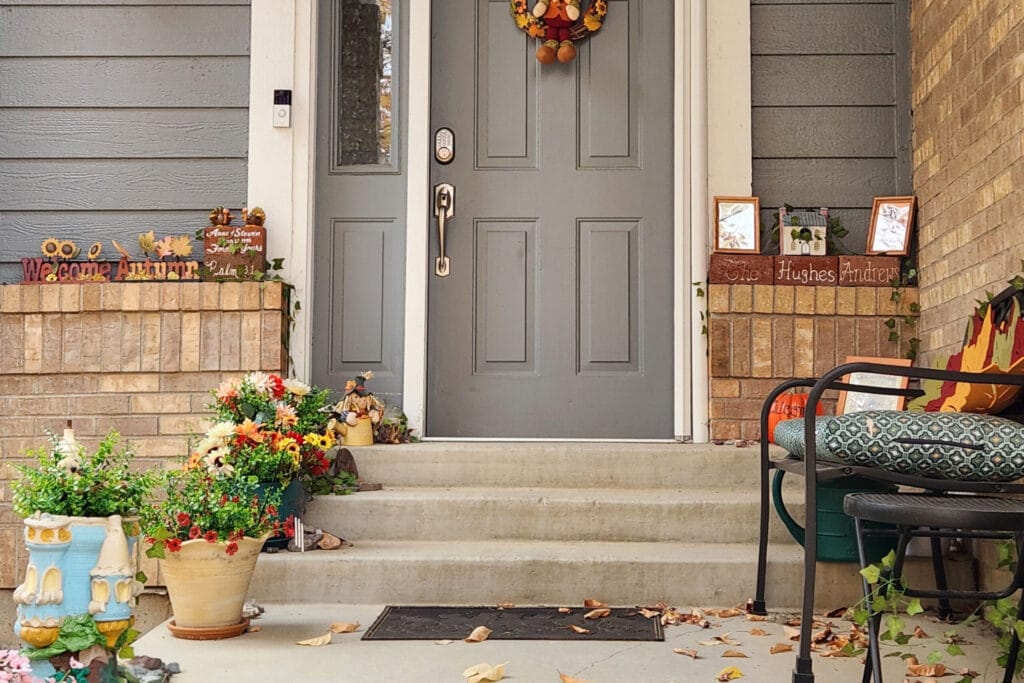
Winter Entrance Mats: 7 Tips for Safer Building Entrances
Why Is Winter Entrance Mat Safety So Important?
Every winter, snow, ice, water, and de-icing salt are tracked into commercial buildings and condominium entrances.
These residues can make floors slippery, accelerate wear, and complicate the maintenance of common areas.
When properly selected, installed, and maintained, winter entrance mats help reduce slip hazards, protect flooring, and keep building entrances clean and welcoming.
Discover 7 practical tips to improve entrance safety and extend the lifespan of your mats throughout the winter season.
1. Why Install Winter Entrance Mats in Your Building?
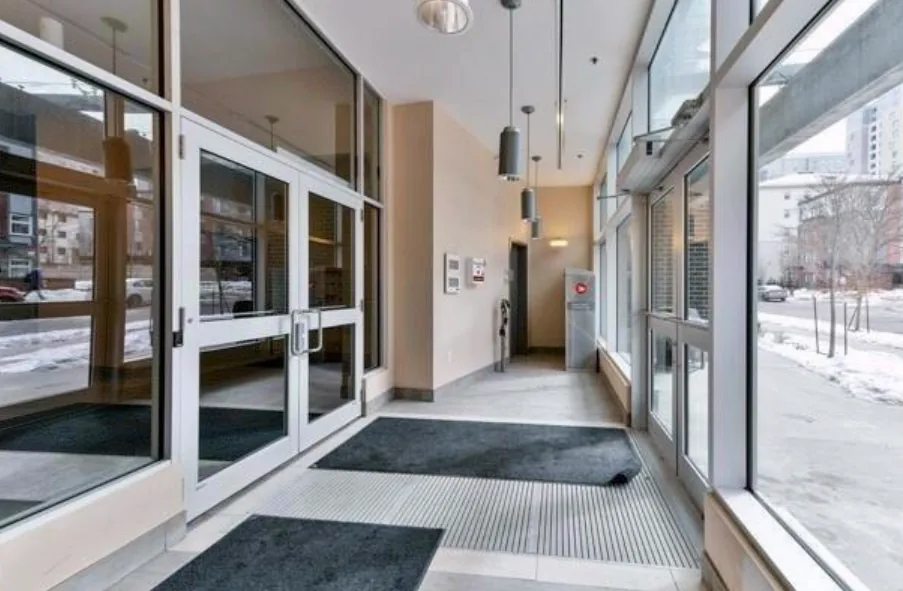
Winter entrance mats provide an essential first line of defence against moisture and dirt carried indoors on footwear. They help trap melting snow, sand, road salt, and other debris before these contaminants spread throughout the building.
They are particularly useful in entrance halls, vestibules, corridors, and other high-traffic areas.
Properly selected winter entrance mats offer several benefits:
- Reduce the amount of water tracked onto interior floors.
- Help minimize slip hazards caused by wet surfaces.
- Protect flooring from abrasive particles.
- Limit the spread of dirt throughout the building.
- Make routine cleaning of common areas easier.
The CNESST (Quebec’s workplace health and safety commission) recommends using absorbent entrance mats and slip-resistant mats in areas where water may accumulate to help prevent same-level falls.
Entrance mats should always be part of a broader safety strategy that includes proper snow removal, de-icing, inspections, and floor maintenance.
2. How to Choose Slip-Resistant and Absorbent Winter Entrance Mats
Not all entrance mats are suitable for intensive winter use. The right choice depends on the type of flooring, foot traffic, moisture levels, and available space.
High-quality commercial entrance mats should have several important characteristics.
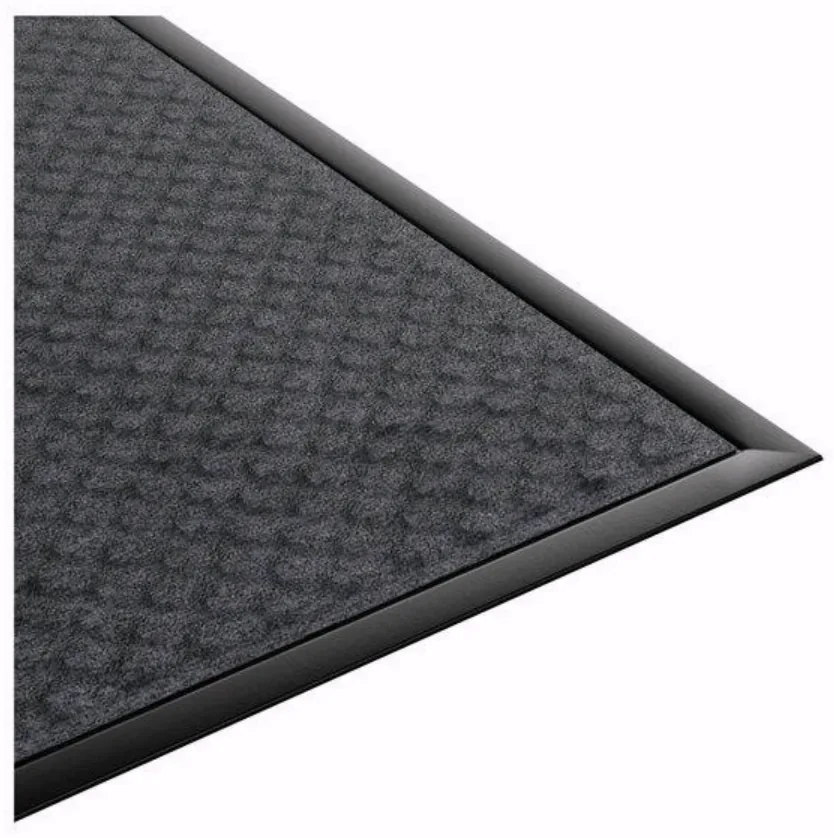
An Absorbent Surface Designed for Winter
The mat fibres should be able to retain moisture and debris carried in on footwear while making it easy to remove these contaminants during cleaning.
In heavily used entrances, combining a scraping zone with an absorbent zone may be especially effective.
The scraping section helps remove larger particles, while the absorbent section captures remaining moisture before visitors reach interior flooring.
Slip-Resistant Backing and Safe Edges
Entrance mats must remain stable on the floor.
A backing compatible with the underlying flooring and properly fitted edges help reduce the risk of mats shifting, curling, or creating tripping hazards.
Accessibility is another essential consideration.
The mats should allow people using wheelchairs, walkers, and other mobility aids to pass safely through the entrance.
A mat that is too thick, poorly secured, or uneven can become an obstacle rather than a protective feature.
3. Plan the Right Mat Dimensions and Walking Areas
A winter entrance mat that is too short may allow moisture and dirt to spread quickly onto surrounding floors.
Before installing mats, it is important to evaluate:
- The width of doors and walkways.
- The direction of pedestrian traffic.
- The location of vestibules and elevators.
- The full opening clearance of doors.
- Transitions between different flooring materials.
- Building accessibility requirements.
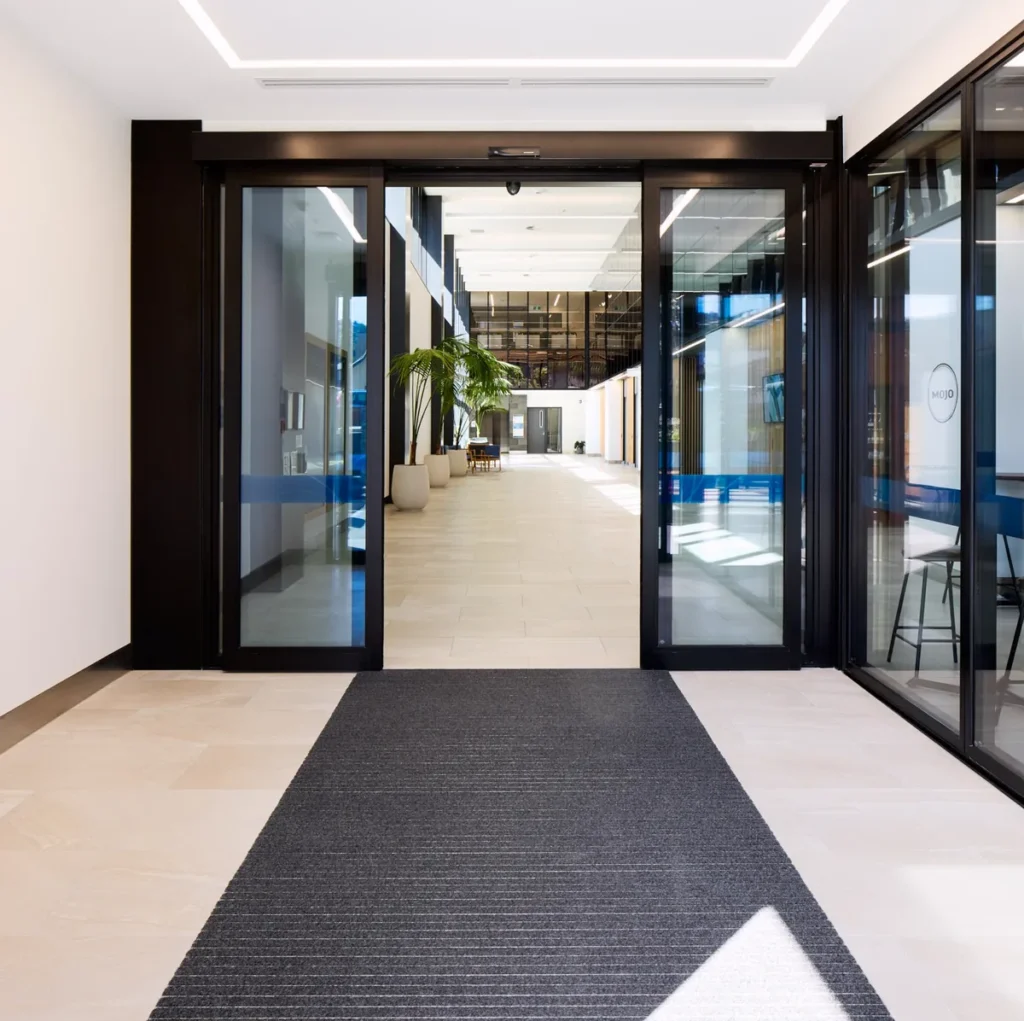
In high-traffic commercial buildings, a sufficiently long entrance mat allows visitors to take several steps before reaching the interior flooring.
However, there is no single ideal mat dimension for every building. The length and layout should be adapted to the configuration of each entrance.
For condominium boards and property managers, planning winter entrance mats should be part of a broader strategy for carpet cleaning and maintenance of condominium common areas.
4. Install Winter Entrance Mats Properly to Help Prevent Falls
Even an excellent winter entrance mat can become a safety hazard if installed incorrectly.
Before installation, make sure the floor is clean, the mat lies flat, and its slip-resistant backing is compatible with the floor surface.
Corners and edges must not curl upward. Doors should open freely, and walking areas must remain clear.
Any adhesive or securing system should follow the manufacturer’s instructions and be appropriate for the flooring material.
Avoid improvising a fastening system with ordinary adhesive tape, particularly in buildings where mats are frequently moved for cleaning.
It is also important to verify that the installation meets applicable building safety and accessibility requirements.
Regularly inspect the installation to ensure the mats remain stable, properly positioned, and safe for everyone using the entrance.
5. Inspect Winter Entrance Mats Regularly Throughout the Season
Proper installation is only the first step. Winter weather conditions can change quickly, causing significant amounts of moisture, salt, and debris to accumulate in just a few hours.
In commercial buildings and condominiums, regular inspections help identify potential problems before they become more serious
Key Points to Check
- Corners or edges that are curling upward.
- Mats that slide or shift out of position.
- Areas saturated with water.
- Accumulations of road salt and calcium-based de-icers.
- Folds, wrinkles, or uneven sections.
- Wet flooring around the mats.
Additional inspections may be necessary after heavy snowfall or periods of thawing.
A damaged or saturated mat should be cleaned, replaced, or temporarily removed if its condition creates a safety hazard.
Entrance safety also depends on maintaining sidewalks, removing snow, and properly de-icing outdoor walking areas.
Winter entrance mats are a complementary safety measure, not a complete solution on their own.
6. Maintain Winter Entrance Mats to Preserve Their Effectiveness
Over time, winter entrance mats accumulate sand, road salt, calcium-based de-icers, and abrasive particles that can become embedded in the fibres.
Without proper maintenance, these contaminants may affect the appearance of the mats, reduce their ability to trap dirt, and accelerate wear.
Daily and Weekly Winter Mat Maintenance
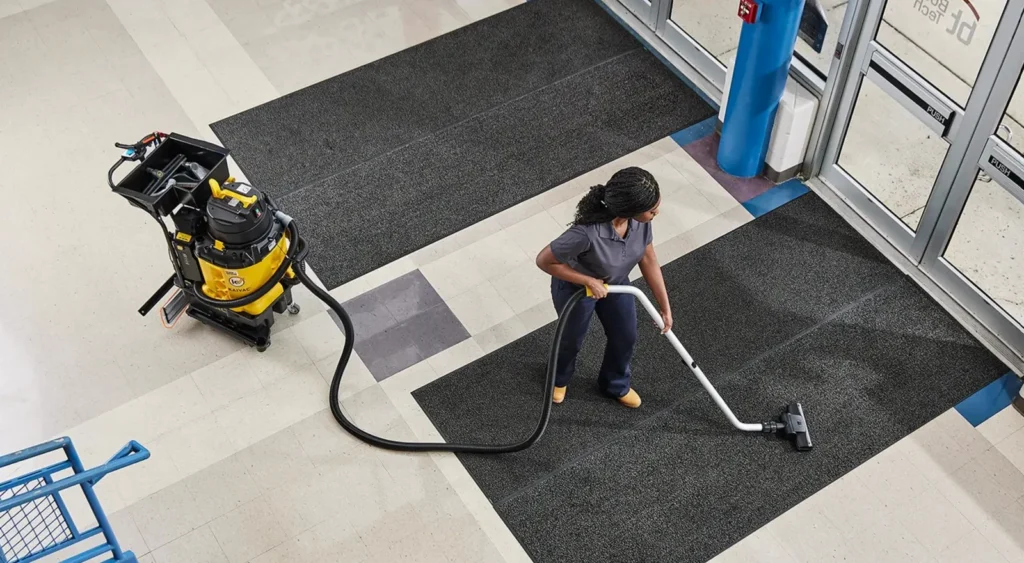
During winter, frequent vacuuming is recommended, especially in heavily travelled areas.
Heavy accumulations of road salt and dirt should be removed promptly. Wet mats should be monitored and allowed to dry appropriately.
The cleaning frequency depends on foot traffic, weather conditions, and the type of mat.
In busy commercial entrances, daily attention may be necessary, along with more thorough periodic cleaning.
Professional Winter Entrance Mat Cleaning
Vacuuming is essential, but it may not always remove contaminants embedded deep within the fibres.
Professional office carpet and winter entrance mat cleaning helps remove accumulated salt, dirt, and marks caused by intensive use.
PRO-SEC uses a low-moisture dry-cleaning process suitable for many types of commercial carpets and entrance mats, with reduced drying times depending on the fibres and cleaning conditions.
For buildings with heavy foot traffic, a preventive carpet maintenance program helps schedule cleaning services according to the actual needs of the building.
A structured maintenance plan can help preserve appearance, protect carpet fibres, and minimize unnecessary interruptions to building activities.
7. Have Winter Entrance Mats Cleaned Before Spring Storage
At the end of winter, entrance mats may contain significant amounts of sand, road salt, dust, and other residues.
Storing them without cleaning can leave these contaminants embedded in the fibres for several months.
Before putting them away, it is best to have the mats professionally cleaned, make sure they are completely dry, and store them in a clean, suitable location.
This precaution helps preserve their appearance and prepares them for the next winter season.
PRO-SEC offers professional winter mat cleaning, with pickup and delivery options according to the applicable service arrangements.
Our services are available to businesses and commercial and condominium buildings throughout Montreal, the South Shore, and the North Shore.
Winter Entrance Mat Cleaning in Montreal, the South Shore and the North Shore
For over 30 years, PRO-SEC has helped property owners, businesses, and building managers maintain their carpets and entrance mats.
Our services are tailored to entrance halls, corridors, offices, retail spaces, and condominium common areas.
With our low-moisture dry-cleaning process, we provide professional maintenance with reduced drying times to help minimize disruptions in occupied buildings.
Whether your mats require occasional professional cleaning or regular maintenance, we can recommend a solution suited to their condition and use.
Frequently Asked Questions
FAQ: Winter Entrance Mats
Do Winter Entrance Mats Help Prevent Slips and Falls?
Absorbent and slip-resistant winter entrance mats can help reduce slip hazards by limiting the amount of moisture tracked onto indoor floors. However, they must be properly installed, maintained in good condition, and combined with other preventive measures.
What Is the Best Way to Choose Winter Entrance Mats?
Choose mats designed for the building's foot traffic, with sufficient absorbency, stable backing, and safe edges. The dimensions should also match the entrance layout and accessibility requirements.
How Often Should Winter Entrance Mats Be Cleaned?
Cleaning frequency depends on foot traffic, weather conditions, and the amount of accumulated salt and dirt. Daily vacuuming may be necessary in heavily used areas, while professional cleaning should be scheduled according to the condition of the mats.
Why Should Winter Entrance Mats Be Cleaned Before Storage?
Professional cleaning helps remove road salt, sand, and dirt that could remain embedded in the fibres during storage. The mats should also be completely dry before being stored.
Does PRO-SEC Clean Winter Entrance Mats in Condominiums and Commercial Buildings?
Yes. PRO-SEC provides winter entrance mat and commercial carpet cleaning services for offices, businesses, and condominium common areas. Services can be scheduled as individual cleaning visits or incorporated into a regular maintenance program.

Well-Maintained Winter Entrance Mats for Safer Building Entrances
Choosing, installing, and maintaining winter entrance mats properly helps protect occupants, visitors, and flooring.
Regular inspections, appropriate winter maintenance, and professional cleaning when needed help keep entrances clean and welcoming.
To prepare your mats for winter or arrange professional cleaning in the spring, trust the experience of PRO-SEC.
Get Your Free Quote
PRO-SEC NEWSLETTER